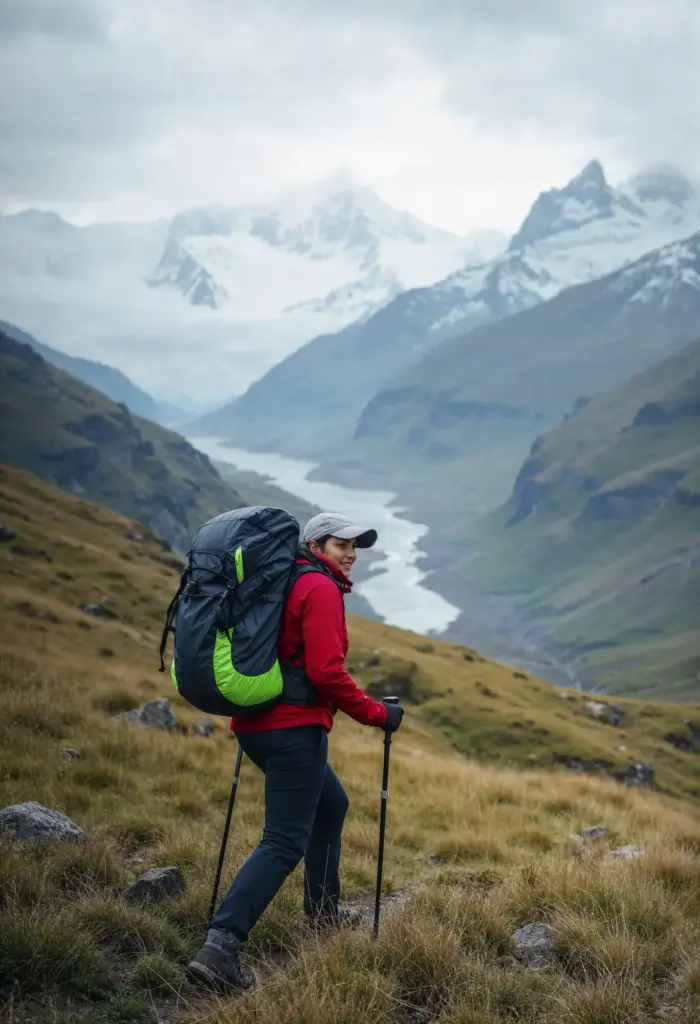
Stronger in Transit: Simple Moves for Long Flights and Daily Commutes

Your journey matters, and so does how your body feels along the way. We’re focusing on travel-friendly exercises for long flights and commutes, blending discreet seat stretches, stand-up movement snacks, and calming breath practices. Use these science-backed, space-savvy ideas to maintain circulation, ease stiffness, and arrive energized. Try them today, share what works for you, and help fellow travelers discover better motion in tight places.

Why Movement Matters When You’re Going Nowhere
Hours in a seat quietly tax circulation, joints, and energy. Small, consistent motions keep the calf muscle pump working, support lymph flow, and reduce back and neck tightness. You don’t need sweat to benefit; you need gentle, regular signals that reassure your body it is safe, supported, and active. Adopt tiny intervals of movement and breathing, repeat them often, and notice how comfort, focus, and mood improve from gate to curb.

Seat-Smart Mobility You Can Do Without Standing

No aisle? No problem. Your chair can become a supportive tool when you use subtle neck glides, shoulder setting, spinal rotations, hip openers, and ankle patterns. Pair movements with soft, slow exhales to dial down tension. Keep everything low-profile and respectful of neighbors. Choose motions that feel like lubrication for joints rather than feats of strength. Over a long haul, these tiny choices stack into comfort, clarity, and easier deplaning.

Neck Glide Reset

Sit tall on your sit bones, chin level, and gently slide your head straight back as if creating space for a collar. Hold two relaxed breaths, then release forward slightly. Repeat five to eight times. This gliding motion nourishes joints without aggressive bending. Add a slow shoulder drop on the exhale to melt tension. If dizziness or pain appears, stop immediately. Share how your neck feels afterward, and what cue helped most.

Seated Figure-Four Hip Opener

Cross one ankle over the opposite knee, flex the lifted foot, and hinge your torso slightly forward by lengthening your spine, not collapsing. Breathe into the outer hip for five calm cycles, then switch sides. Keep movements minimal to respect neighboring space. This targets deep rotators that tighten during prolonged sitting. If range is limited, just imagine the shape and breathe; intention still helps. Let us know your favorite comfort cue.

Ankle Pumps and Alphabet

With heels lifted an inch, rhythmically point and flex both ankles, feeling calves assist circulation. Then trace the alphabet with each big toe, small and smooth, like drawing in the air. This playful precision keeps the lower legs awake and feet warmer. Sync motions to a four-count inhale and six-count exhale to calm nerves. Repeat during every beverage service. Share your go-to letter where you first notice stiffness release, and why.

Stand-Up Moves for Aisles, Lounges, and Platforms

Whenever space opens, take advantage with discreet standing drills that wake hips, spine, and lower legs. Choose moves that fit a narrow footprint, use minimal equipment, and respect etiquette. A few carefully placed hinges, calf raises, and wall slides can transform heavy legs into springy steps. Each minute invested pays back during baggage claim, connections, or an evening meeting. Notice how breathing steadies, posture lifts, and travel stress softens as you move.

Breath, Pressure, and Energy on the Go

Breathing shapes posture, circulation, and calm, especially in pressurized cabins or crowded cars. Slow nasal inhales, longer exhales, and brief holds can reduce anxiety, improve perceived energy, and complement movement snacks. Use breath as a remote control for your nervous system when you cannot stand. Practice before you travel, then deploy during waits, announcements, or turbulence. Track what cadence feels restorative, and share it to help fellow travelers find steadier rhythms.

Box Breathing in a Middle Seat

Inhale through the nose for four counts, hold for four, exhale for four to six, hold softly for four, repeat four rounds. Keep shoulders low, tongue resting gently on the roof of the mouth. This structured pattern steadies attention and encourages relaxed posture. Combine with tiny ankle pumps for circulation. If lightheaded, shorten holds. Afterward, note how your mood shifted, then tell our community which count pattern restored the most calm.

Physiological Sigh Before Boarding

Take a steady nasal inhale, add a short top-up sniff, then exhale long and slow through pursed lips. Repeat two to three times. This pattern can quickly reduce tension without appearing dramatic. Pair it with a soft jaw and wide peripheral vision. Use it before security lines or gate changes to reset. Notice your heart rate settle and shoulders drop. Share situations where this helped most, offering fellow travelers a quick, respectful reset.

Nasal Cadence Walk Between Gates

As you walk, inhale for four steps and exhale for six to eight, adjusting for comfort. Keep the mouth closed, posture tall, and arms swinging naturally. This gently trains carbon dioxide tolerance, promoting calmer energy and efficient breathing. It also encourages rhythm that pairs beautifully with micro-mobility breaks. Experiment with different ratios, then jot down your favorite in a note to us, helping others pace travel days with steadier, grounded focus.

Mini Routines for Different Itineraries

Five-Minute Gate-Check Circuit

Perform twenty ankle pumps, five slow calf raises, five supported hip hinges, three wall angel reps, then a minute of box breathing. Move deliberately and quietly, pausing if your zone is called. This concise sequence lubricates joints, raises warmth, and calms nerves. It fits beside a pillar without attracting attention. Track how you feel at takeoff, then share your rating with us so others can refine their pre-boarding routine effectively.

Ten-Minute Train Platform Flow

Alternate supported hip hinges and standing calf raises, sprinkle in slow spinal rotations with hands on hips, and finish with nasal cadence walking along the platform. Keep eyes up and belongings secure. This blend restores hip drive, ankle elasticity, and trunk suppleness. If space tightens, shorten each move rather than stopping. Invite a colleague to join, compare notes afterward, and post which element most lifted your energy during the first commute hour.

Overnight Long-Haul Reset

Every ninety minutes, cycle seated neck glides, ankle alphabets, and figure-four hip opener, then add two physiological sighs. During a midnight restroom break, perform five gentle calf raises beside the door. Hydrate thoughtfully and aim for extended exhales. This repeatable loop maintains comfort without disturbing neighbors. On landing, walk three minutes breathing nasally to restore rhythm. Tell us how your body responded, and what you will tweak before your next red-eye journey.

Comfort, Safety, and Etiquette That Keep You Moving

Thoughtful movement respects people and place. Prioritize stability, clothing that allows easy range, and hydration that supports circulation. If you have a history of clots, recent surgery, pregnancy, or unexplained swelling, consult a professional and consider compression socks. Obey seatbelt signs, airport staff instructions, and vehicle rules. Choose quiet drills and tiny ranges when space is crowded. Share your personal guidelines to help our community move kindly, safely, and confidently anywhere travel takes them.
Daxinovivanitavosirakentotari
Privacy Overview

This website uses cookies so that we can provide you with the best user experience possible. Cookie information is stored in your browser and performs functions such as recognising you when you return to our website and helping our team to understand which sections of the website you find most interesting and useful.